




Your skin, our priority

Healthy skin, with the care you deserve

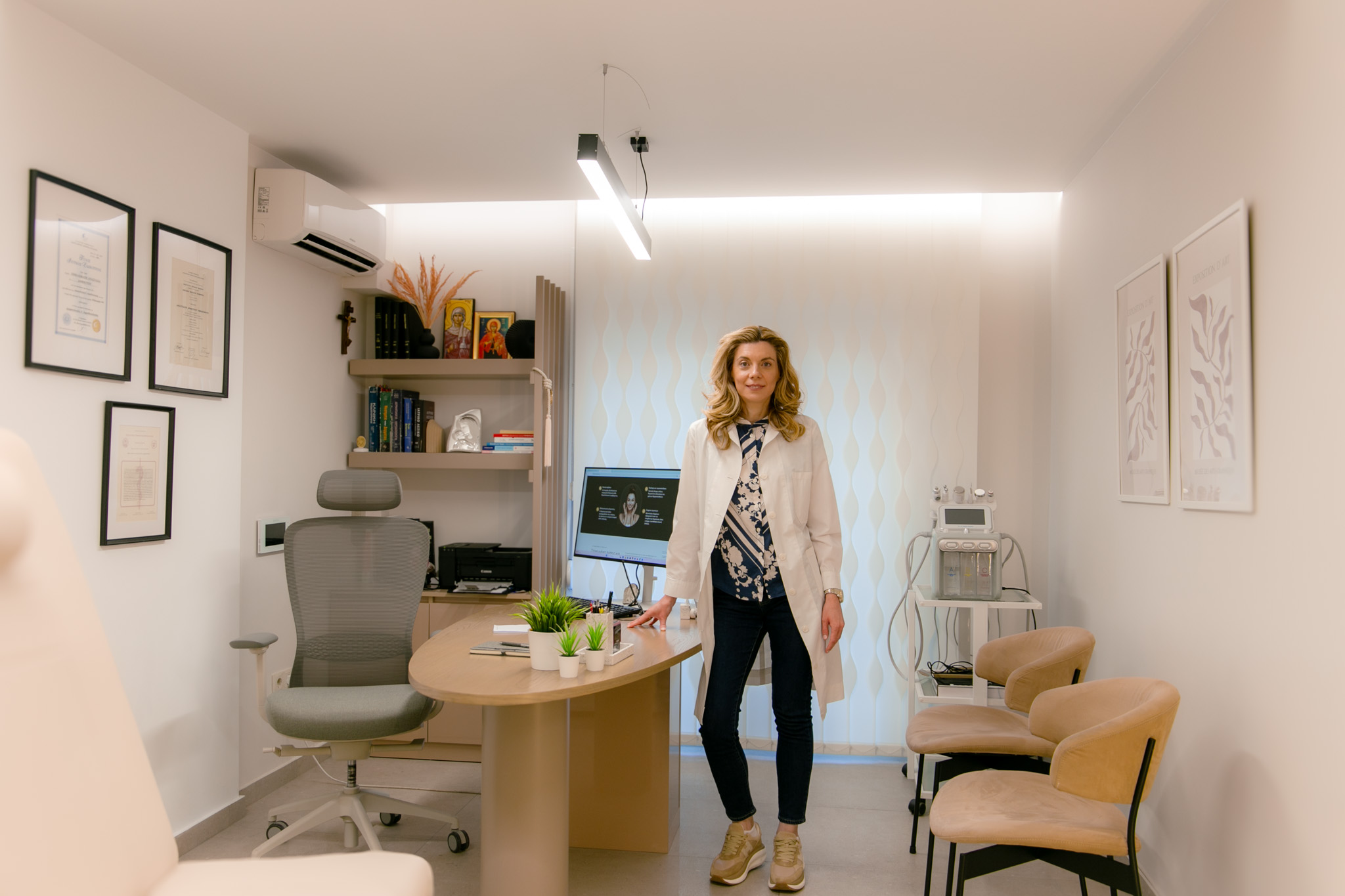
Dr Anastasia Emvalomati provides comprehensive dermatological care, modern treatment options and an individual approach to every skin concern.

The Doctor

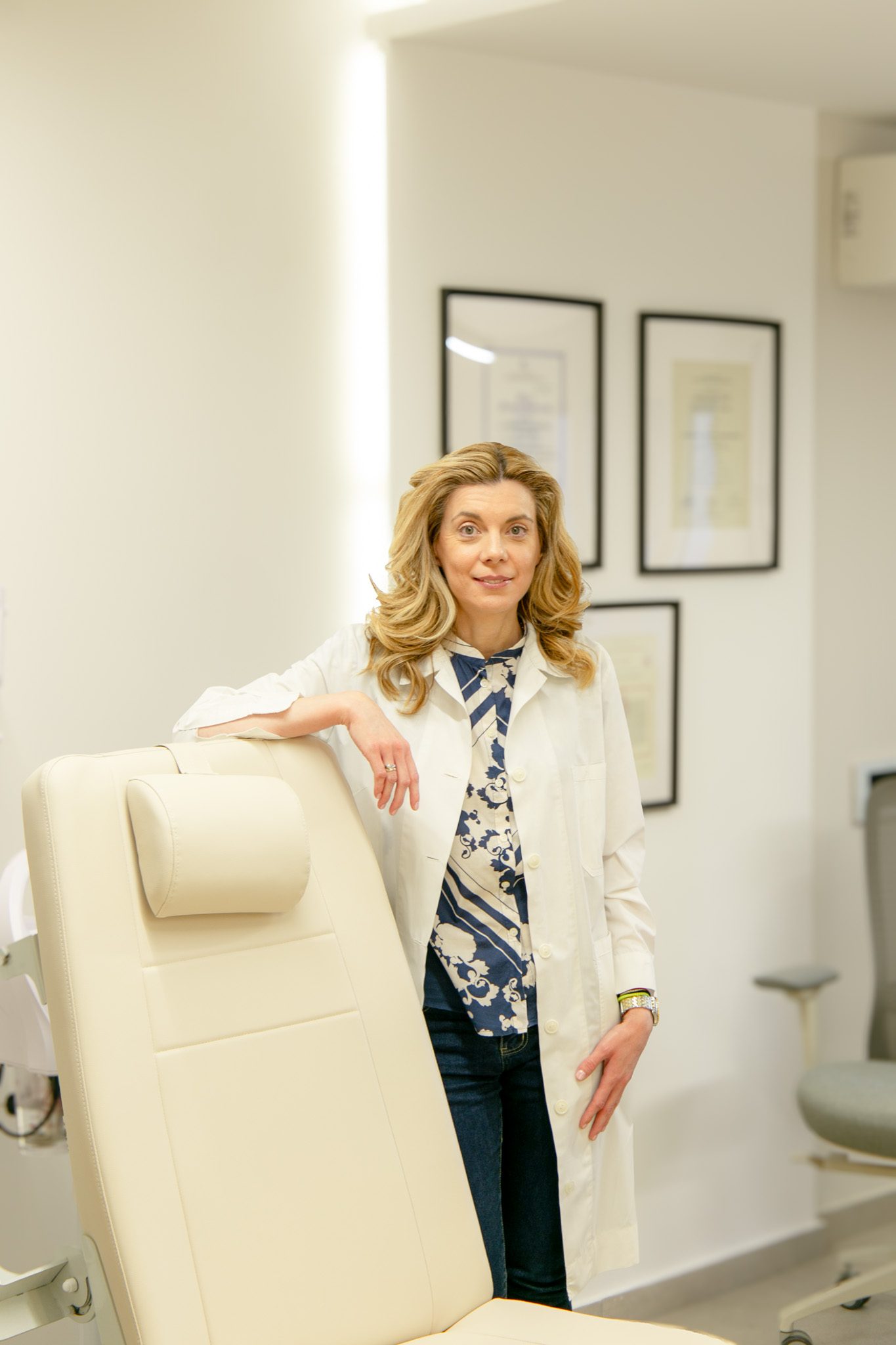
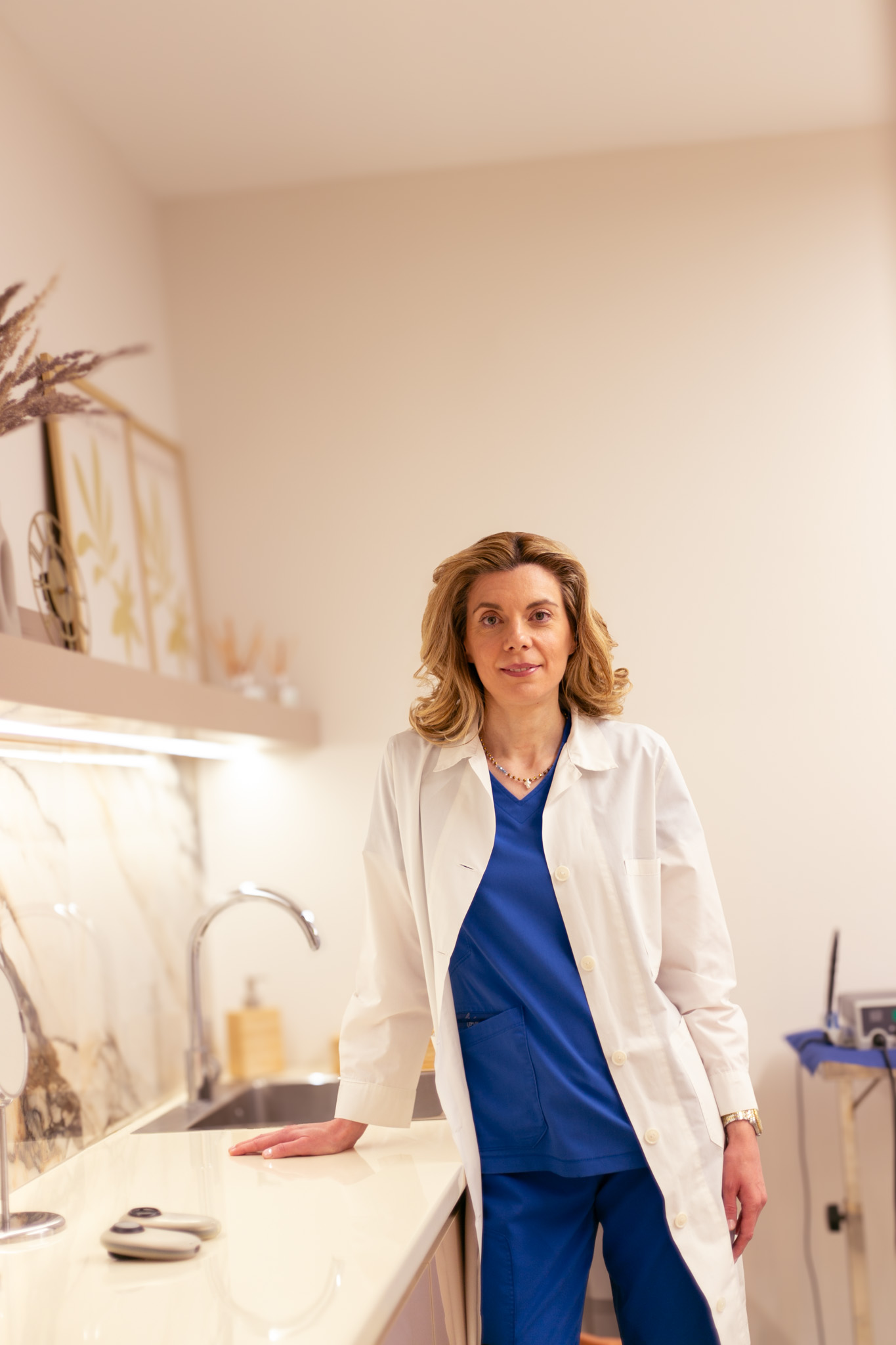
Dr Anastasia Emvalomati

Dermatologist – Venereologist

Dr Anastasia Emvalomati graduated from the School of Medicine at Aristotle University of Thessaloniki.

She trained at the 2nd Department of Dermatology of Aristotle University of Thessaloniki at Papageorgiou General Hospital, and at the 1st Department of Dermatology at Hippokration Hospital – Hospital for Venereal and Skin Diseases in Thessaloniki.

Why Choose Our Practice

Consistent, respectful medical care

Our practice aims to provide specialist care of a high standard, founded on a relationship of trust between doctor and patient.

We approach every patient’s care with responsibility, scientific rigour and personal attention, with healthy skin as our goal.

Clinical Experience
0 +
Publications in International Scientific Journals
0
Dermatological treatments

Our Practice Principles

Modern dermatological care centred on you

Clinical Precision

Thorough assessment and targeted diagnosis of every dermatological concern.

Individual Treatment

Treatment is tailored to each patient’s needs, age and medical history.

Dr Anastasia Emvalomati

Prevention and Monitoring

Regular assessment of moles, skin changes and chronic skin conditions.

Modern Methods

Use of modern treatments where there is an appropriate medical indication.

Clinical Dermatology

A dermatologist–venereologist is a medical specialist in conditions affecting the skin, hair, nails and mucous membranes.

With extensive experience in clinical dermatology, Dr Anastasia Emvalomati draws on the latest evidence and international guidelines to treat skin conditions. There are more than 3000 different dermatological conditions. Some of the more common conditions are listed below:

  • Haemangiomas
  • Acne
  • Alopecia – Hair loss
  • Atopic dermatitis
  • Autoimmune skin diseases
  • Contact dermatitis
  • Insect bites – Papular urticaria
  • Hidradenitis suppurativa
  • Furuncles
  • Herpes simplex
  • Herpes zoster
  • Erythrasma
  • Erysipelas
  • Telangiectasia
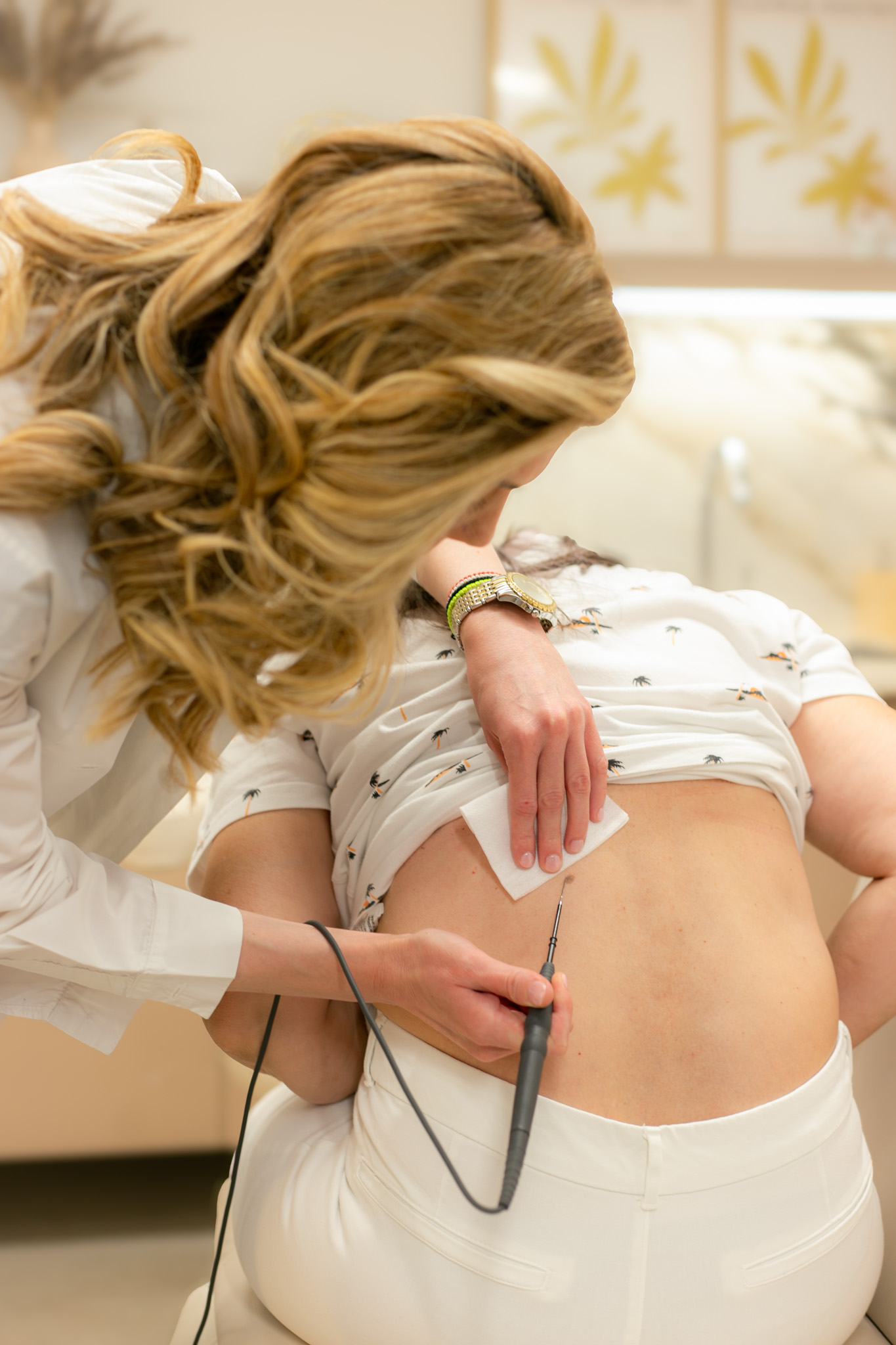
  • Skin tags (soft fibromas, acrochordons)
  • Folliculitis
  • Miliaria
  • Skin cancer
  • Urticaria – Angioedema
  • Pruritus
  • Genital warts
  • Lichen
  • Vitiligo
  • Pigmented spots
  • Melasma – Chloasma
  • Molluscum contagiosum
  • Impetigo
  • Warts
  • Fungal infections of the skin and mucous membranes
  • Onychomycosis
  • Scars
  • Pityriasis versicolor
  • Stretch marks
  • Rosacea
  • Pityriasis rosea
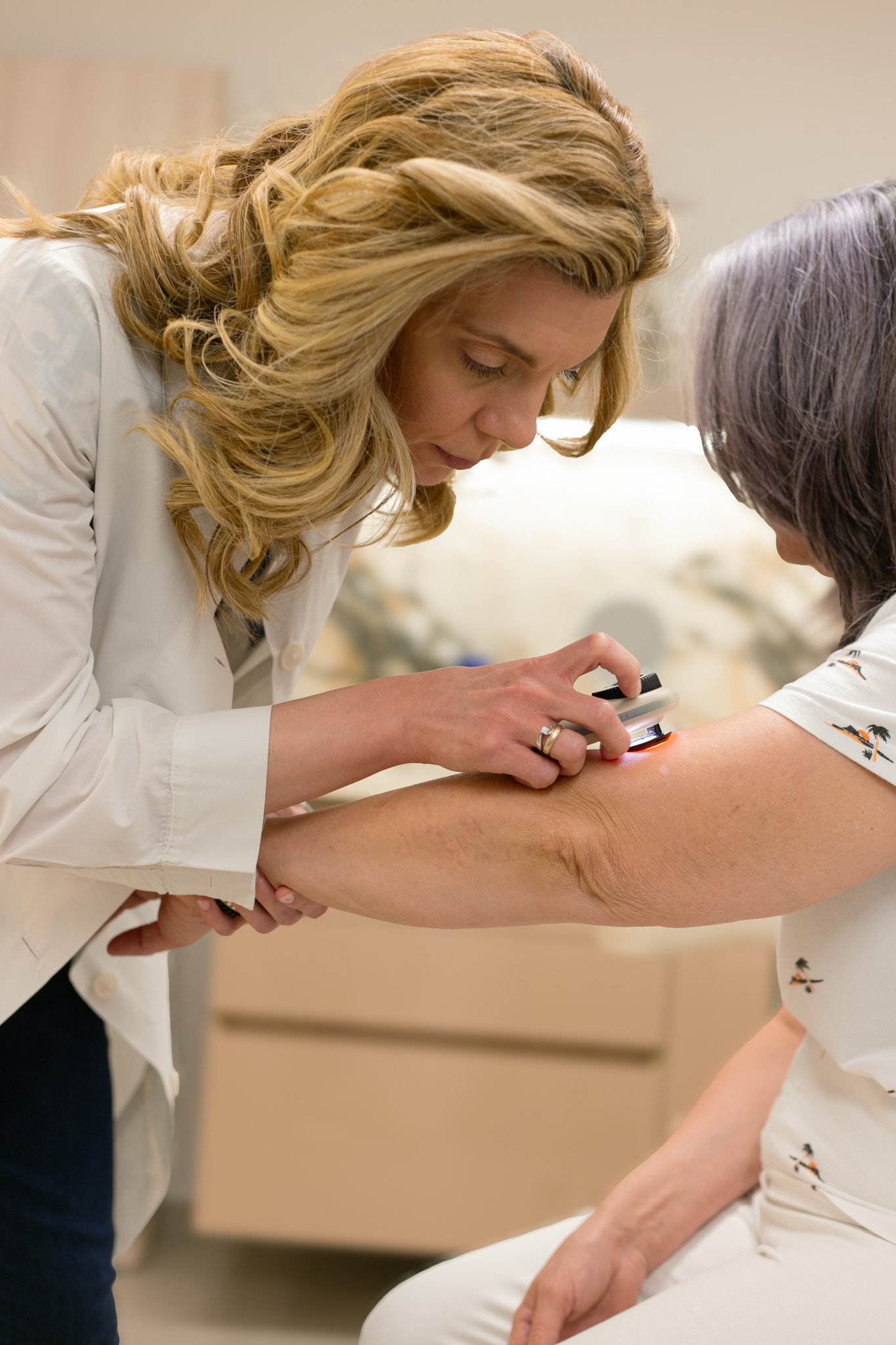
  • Moles (dermoscopy)
  • Hyperhidrosis
  • Drug eruptions
  • Pediculosis
  • Photodermatitis
  • Keloids
  • Scabies
  • Psoriasis

Specialist Treatments

Fractional Laser

Advanced technology to improve skin texture, acne scars, fine lines and signs of photoaging.

Laser Treatments

Modern laser applications for hair removal and the treatment of selected vascular or pigmented lesions.

Medical Peels and Skin Renewal

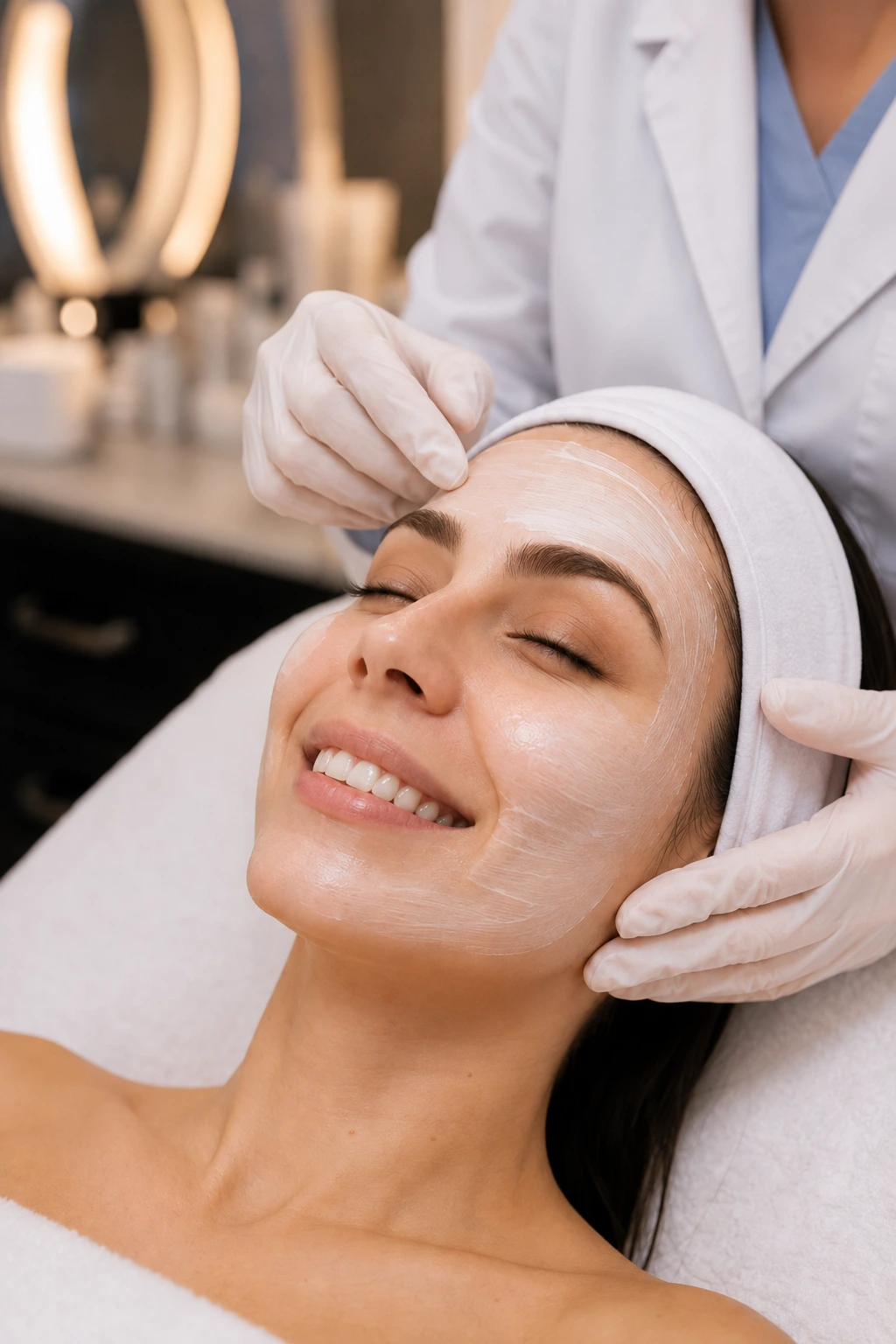
Medical exfoliation treatments selected according to skin type, which can help improve acne, uneven pigmentation and skin texture.

Book an Appointment

Book your appointment for a clinical examination, preventive skin check or individual advice on the treatment that meets your needs.

Practice Opening Hours:

Monday – Tuesday – Thursday – Friday: 09:00 - 13:30 & 17:00 - 20:30
Wednesday: 09:00 - 16:00
Saturday – Sunday: Closed

Contact us with any further questions:

Acne

Understanding acne and its treatment

Acne often begins in the pre-teen and teenage years, when the sebaceous glands become more active. However, it may persist into adulthood or first develop in adult life.

No. Acne can occur at any age. Adult acne is particularly common in women and often affects the lower face and jawline.

Increased sebum production, blocked pores, inflammation and the activity of Cutibacterium acnes contribute to acne. Hormones, heredity, certain medicines, stress and unsuitable cosmetics may also play a role.

The effect of diet varies from person to person. Patients are advised to observe whether particular foods are consistently associated with flare-ups and to follow a balanced diet.